The work
When the pan will not empty
For a blocked toilet, agree in advance what happens if plunging and rodding do not work: the next stage may mean lifting the pan, which changes the job, the mess and the bill. Weekday clearance time is £95 an hour, one hour at least, and any part is extra.
Stop using it
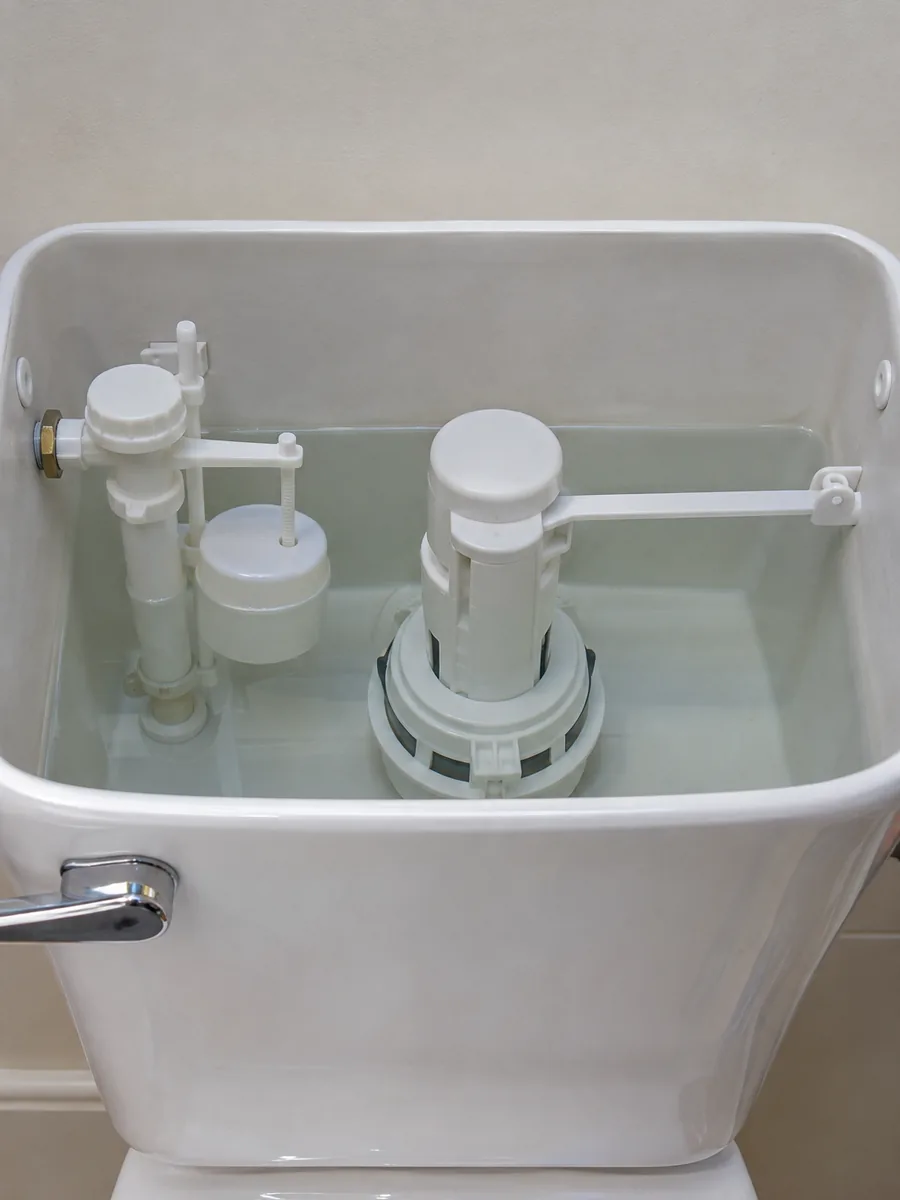
Do not keep flushing. If the pan is close to the rim, turn off the supply to the cistern at its isolating valve, if there is one, or lift the float arm and hold it. Keep children and pets out of the room, and lay old towels only where they can be bagged or washed afterwards.
Stages the work can pass through
- Clearing through the pan with a plunger or toilet auger.
- Access from a rodding point or inspection chamber outside.
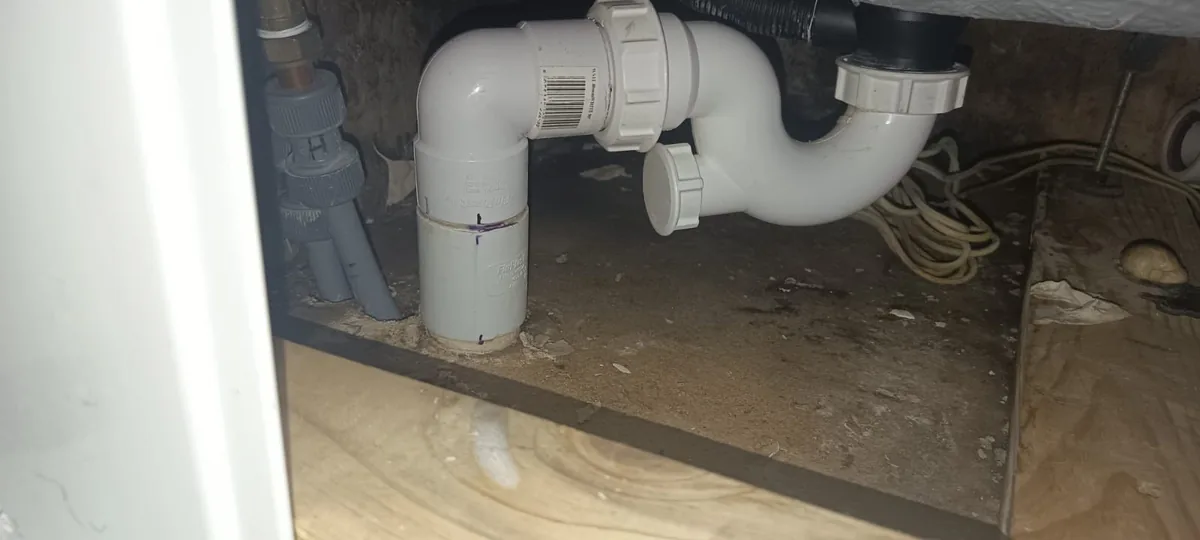
- Removing the pan to reach the bend or soil pipe.
- Referring a fault further along to drainage work.
A written agreement should show where it starts, where it stops and the point at which you are asked before the next stage begins. Wall-hung pans and concealed cisterns can involve panels or frames, so mention them early.
Items to have on paper
- Charging basis for each stage, including an unsuccessful first attempt.
- Whether a new pan connector, seal or fixings are expected if the pan comes off.
- Who puts back sealant, flooring edges or boxing.
- Cleaning and disinfection left to the plumber, and what is left to you.
- Exclusions: cracked pan, damaged soil pipe, ceiling or floor damage below.
Describe what happened
Say whether something solid went in, such as a toy, cleaning block or wipes. An object lodged in the bend calls for a different approach from paper. Note whether the bath, shower or ground-floor drain backs up when you use water upstairs, since that suggests the problem is beyond the toilet.
Thames Water asks customers to flush only the three Ps, pee, poo and toilet paper, and to bin wipes, including those labelled flushable.
The figures to expect on your quote
- Weekdays: £95 an hour, with one hour as the minimum.
- Evenings and weekends: from £140 an hour.
Booked in advance means no call-out fee. An emergency visit can be requested at any hour of any day: a weekday daytime visit costs the hourly rate plus a £60 call-out, and an evening or weekend visit costs from £140 an hour plus £60. Parts are charged on top after you approve them, VAT is not added, and a written quote costs nothing. Last checked 28 November 2026; see what you pay.
Other toilets and fittings
Say whether there is a second toilet that works, and whether anyone depends on the blocked one.
What to check at the end
Flush several times with a reasonable amount of paper. Watch the water rise and fall normally. If the pan was lifted, feel around the base and outlet after those flushes, check that it does not rock and look at the ceiling underneath. Confirm the water supply is fully open again. Ask what caused the blockage and whether anything was recovered.
In a rented home, who pays often turns on the cause, so keep the finding in writing and share it with the landlord. See blocked toilets in rented houses. If the same blockage returns, send the dates and the earlier note before anyone opens the pipe again.
Questions people ask
When does a blocked toilet need the pan removed?
Usually after clearing through the pan and from any outside access has failed. Ask to be consulted before that stage starts, and agree its charge.
Who pays for a blocked toilet in a rented home?
It often depends on the cause, so get the finding in writing and share it with your landlord.