The work
Shut-off and isolating valves, priced in writing
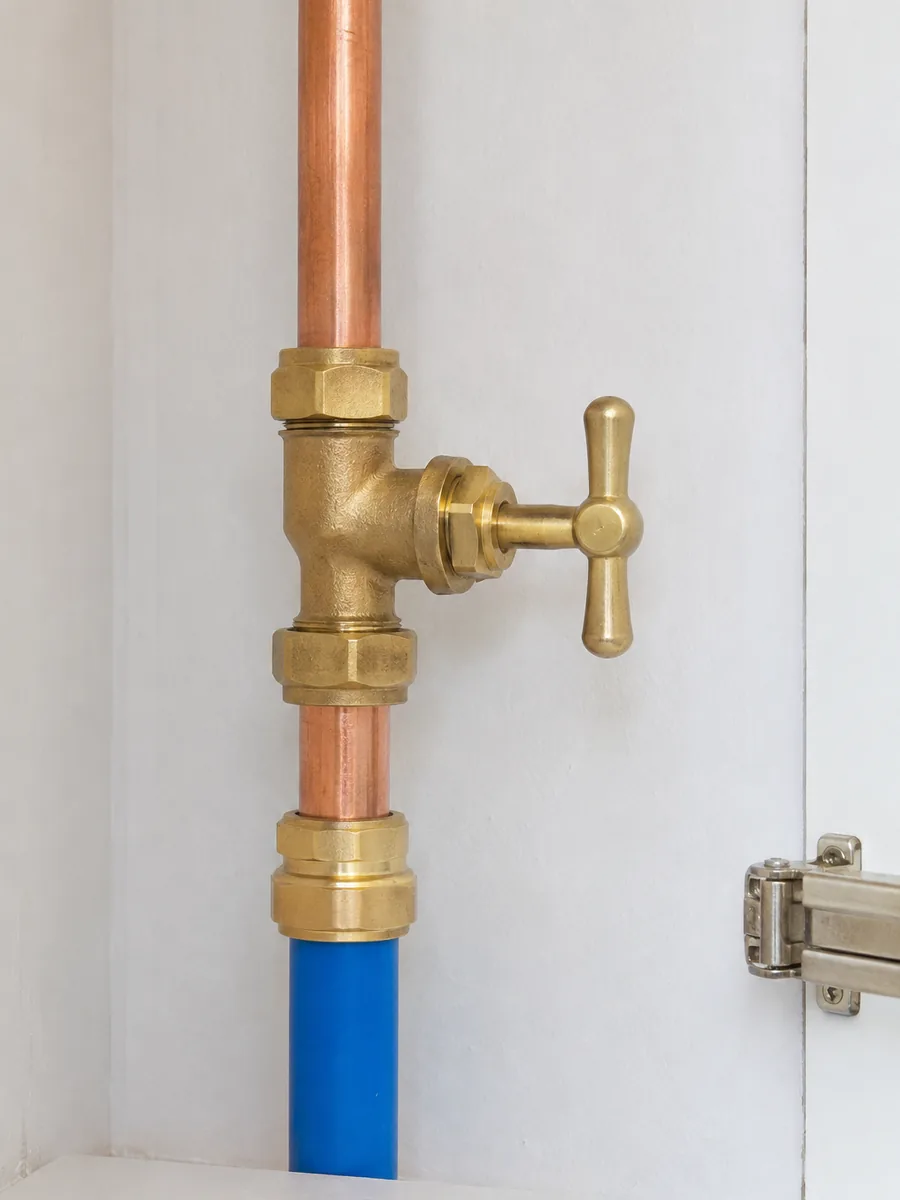
Before a shut-off valve is changed, the quote should say which one it is, how the water upstream will be isolated, which other homes are affected, the replacement type and what happens if the old pipe distorts. The shut-off may involve your water company, a street valve or your neighbours. Changing a valve on a weekday is charged at £95 an hour, at least one hour, with the part extra.
Know what you have
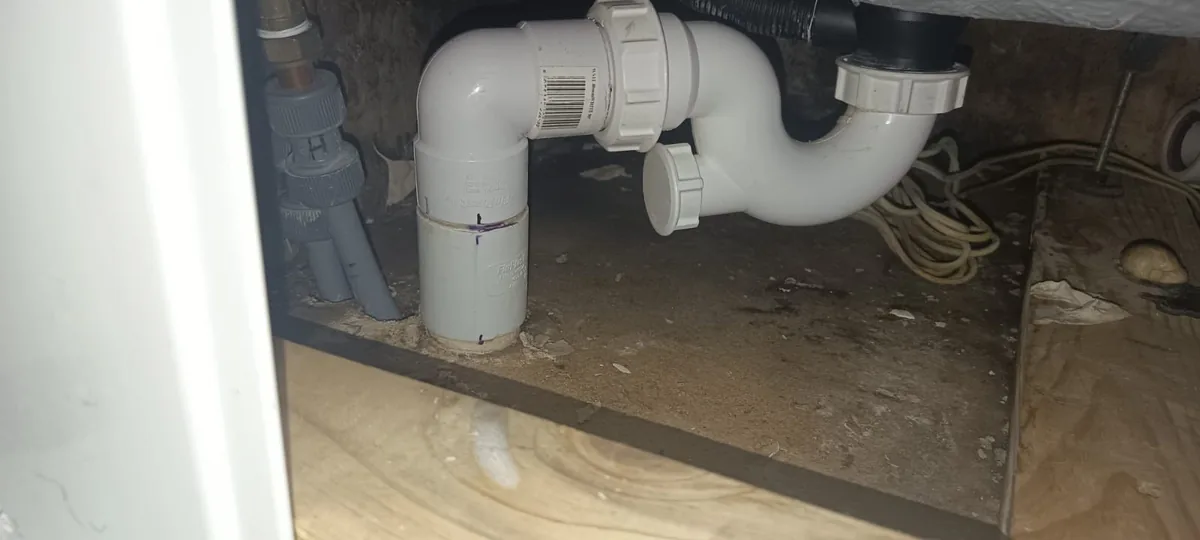
The inside stop tap often sits under the kitchen sink, near where the supply enters, in a hall cupboard or under floorboards. There may be another valve outside near the boundary, which can belong to the supplier. Small in-line isolating valves serve single fittings only. In flats there may be a riser valve in a communal cupboard; see who is responsible for a stop valve in flats.
Do not force a seized tap
A stiff handle can shear, and a disturbed gland can start leaking. Apply gentle pressure only. If it will not move or begins to weep, leave it and ask for help. Report it even if nothing is leaking today, since it is the valve you rely on when something does.
Possible work
Resealing a gland, freeing the spindle, replacing the valve, adding a lever valve downstream or fitting a drain point. Each differs in scope. Freezing a pipe to avoid shutting off further upstream is a method with conditions, so ask whether it is proposed.
What the replacement quote should include
- Which valve and where, with a photograph reference.
- How upstream water will be isolated and who arranges it.
- Other homes affected and notice to them.
- Replacement type and size.
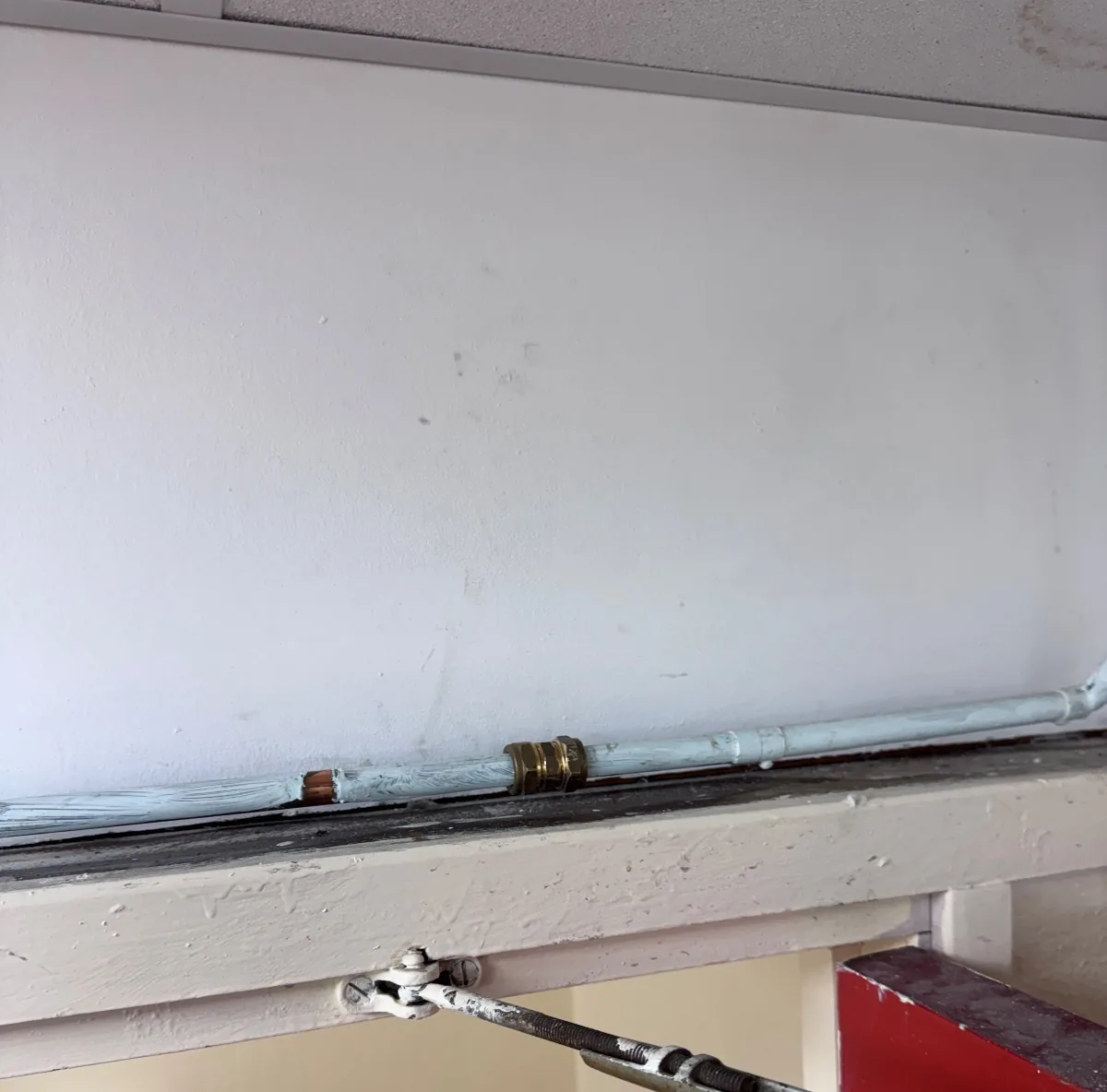
- Condition of old pipe, with a plan if it distorts or cracks.
- Cupboard, floor or panel reinstatement.
- What happens if the water company must attend first.
Information to gather
Photographs of the valve and surrounding pipe, the pipe material, any meter nearby, outside covers and whether the supply is shared. If you cannot find the valve at all, say so; locating it can be listed as its own step.
While the water is off
An interruption is a chance to deal with related items, such as adding isolating valves under the sink or to the toilet. List any you want as separate lines so that each can be accepted or declined. Ask whether tank-fed fittings, the hot water system or appliances should be switched off first, and who restarts them. Fill a kettle and a bucket beforehand. If the job is a basin that will not drain, no shut-off may be needed: see water standing in a sink or basin.
The figures to expect on your quote
- Weekdays: £95 an hour, with one hour as the minimum.
- Evenings and weekends: from £140 an hour.
Booked in advance means no call-out fee. An emergency visit can be requested at any hour of any day: a weekday daytime visit costs the hourly rate plus a £60 call-out, and an evening or weekend visit costs from £140 an hour plus £60. Parts are charged on top after you approve them, VAT is not added, and a written quote costs nothing. Last checked 28 November 2026; see what you pay.
Checking the new valve
Close it fully, then open the kitchen cold tap. Flow should stop once the pipe empties, allowing for tank-fed outlets that continue from storage. Reopen and look for weeping at the spindle and joints. Turn it yourself so you know the direction and effort. Label it, tell the household where it is and keep the space around it clear. Try it gently from time to time so that it remains usable.
Related reading
Meters and the water company come into who owns the water meter, moving a meter, compensation for a supply interruption, a water fittings inspection and complaining about a water company.
Questions people ask
Should I force a stiff stop tap?
No. A stiff handle can shear and a disturbed gland can start to leak. Apply gentle pressure only, then report it if it will not move.
Who owns the outside stop valve?
The valve near the property boundary can belong to the water supplier, while the inside stop tap and the pipe after the boundary are generally the owner's. Check with your company before anyone works on it.