The work
Cylinders, vented and unvented
Before pricing hot water cylinder work, establish whether the cylinder is vented or unvented, because the rules differ sharply and unvented work goes only to G3 qualified engineers. Weekday work away from gas is £95 an hour, one hour at least; gas work is £105 an hour.
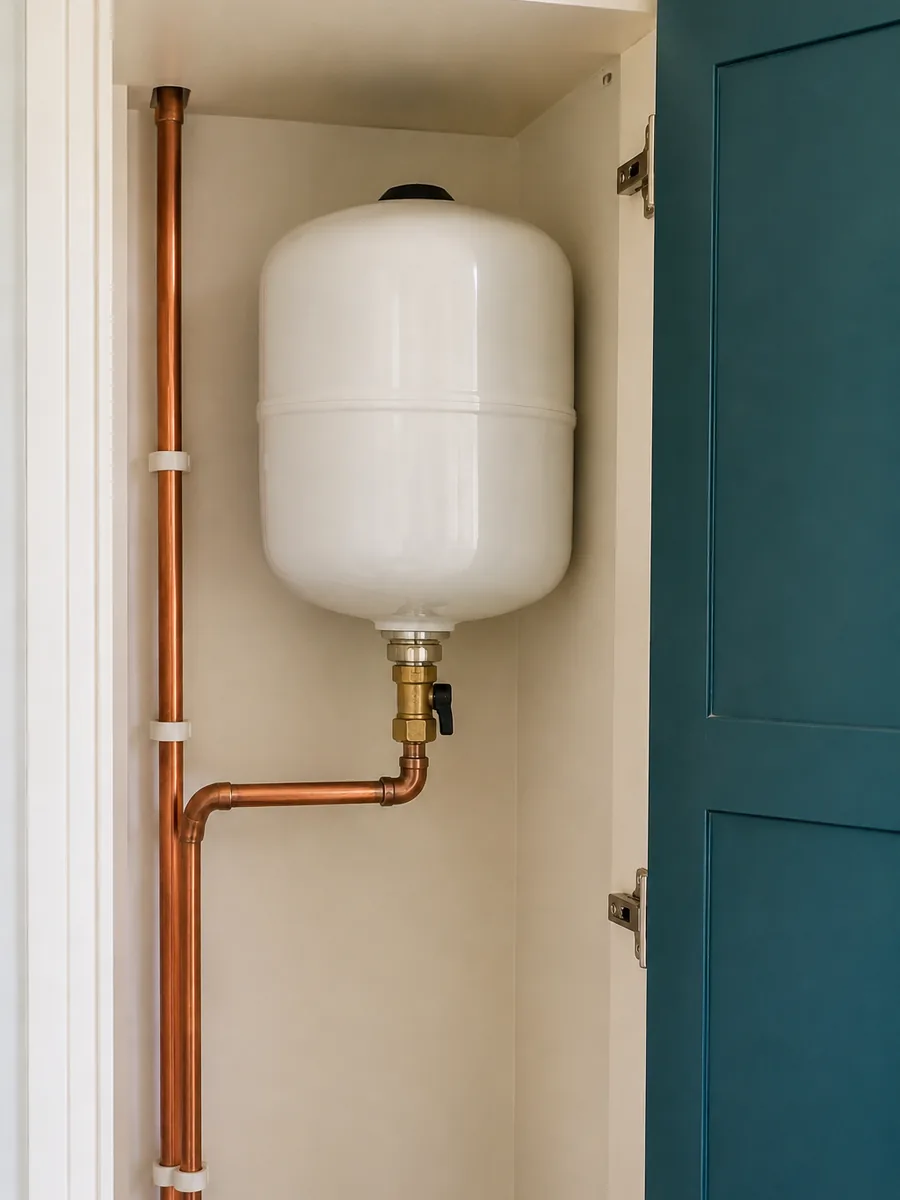
A vented one is fed by a cold water cistern, usually higher up. An unvented one takes mains pressure and carries safety controls and a discharge pipe.
Rules to know
Unvented hot water storage falls under Building Regulations. Approved Document G sets out the safety requirements, including installation by a competent person, and notification to building control normally applies, often through a competent person scheme. Do not remove, cap or adjust a safety valve, and treat water or steam from a discharge pipe as urgent: switch off the heat source if safe and get a suitably competent person. Water appearing where no outlet or valve explains it is a matter for finding the source of a leak.
Agree nothing until the route to commissioning and sign-off is written down. Each type has its own page: unvented cylinders, vented cylinders and cold tanks and immersion heaters.
Possible tasks
Tracing a leak around the cylinder, replacing an immersion element, changing valves, replacing the whole unit or altering the pipework around it. Electrical items need a qualified electrician. Where a boiler's gas connection is concerned, only Gas Safe registered engineers may act, and their cards can be looked up on the Gas Safe Register.
For the written quote
- Cylinder type, capacity and the model proposed.
- Heat sources connected: immersion, boiler coil, heat pump or solar.
- Safety valve set and discharge pipe route to a lawful termination.
- Mains pressure and flow checked, with figures.
- Notification and certificate: who submits, what you receive.
- Electrical connection, controls, cupboard changes and disposal.
- Time without hot water and any temporary option.
Access and disposal
Say whether the cupboard door frame or shelving must come out to move the old vessel.
What to send
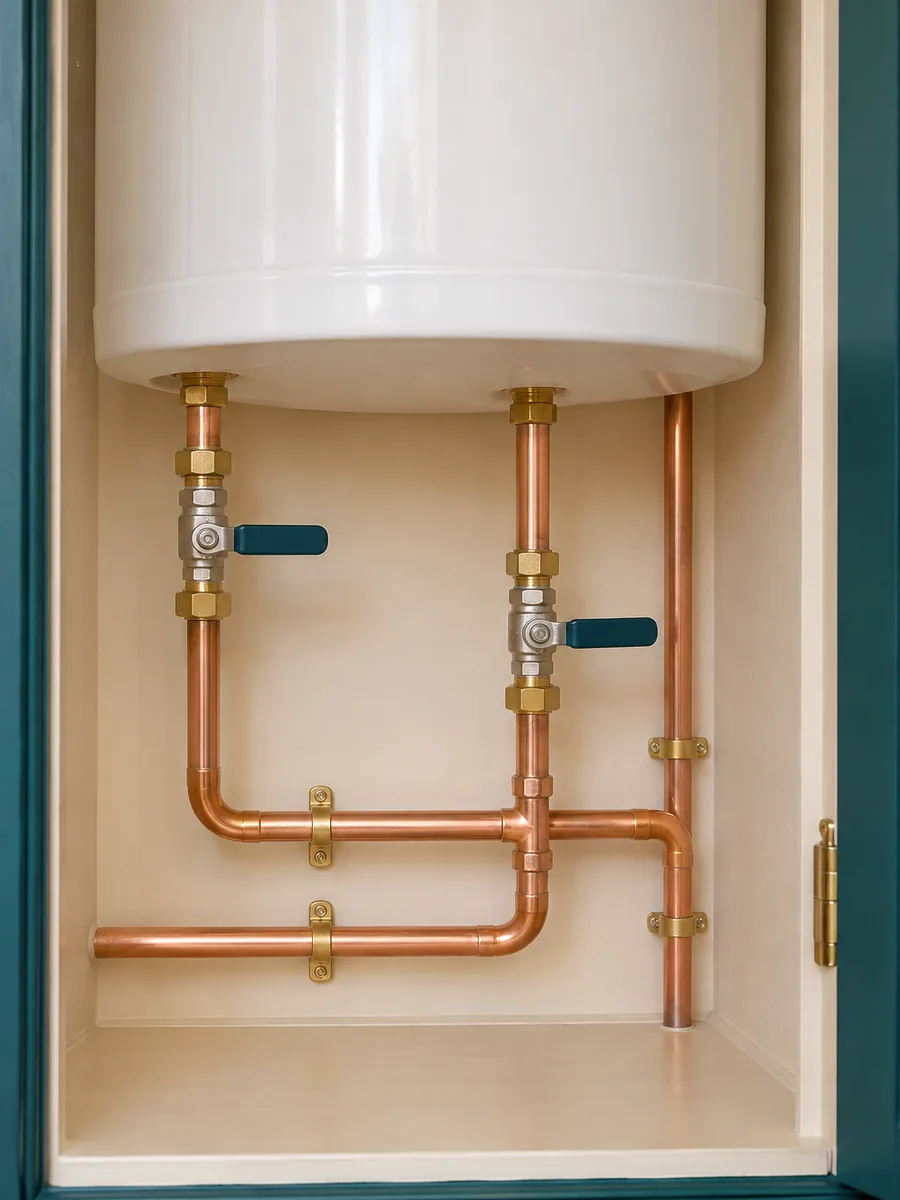
The label on the cylinder, photographs of all pipes and valves, the cupboard dimensions, the access route for a new tank, the age if known and past service records. Mention how many bathrooms are used at once.
Attachments cannot go through the form. Email the pictures to info@honestplumberlondon.co.uk.
Repair or replacement
Ask for the reason a new cylinder is advised: a leak from the body, a failed part that cannot be obtained, or capacity that no longer suits the home. A weep at a joint is a different matter from a leaking vessel. Have the quote record which was seen, and what a smaller repair would involve if one is possible.
Handover
Check hot water reaches each tap at a usable flow. Look at every joint, then look again after a full heating cycle. Confirm the discharge pipe ends where the document said. Collect the commissioning record, maker's instructions, servicing requirement and building control or scheme certificate. Diary the service date the manufacturer gives and keep all of it with your house papers, since a buyer's solicitor may ask for proof of sign-off.
Which figure applies
- Weekday work away from gas: £95 an hour, one hour at least.
- Gas work: £105 an hour.
- Evenings and weekends: from £140 an hour.
Booked in advance means no call-out fee. An emergency visit can be requested at any hour of any day: a weekday daytime visit costs the hourly rate plus a £60 call-out, and an evening or weekend visit costs from £140 an hour plus £60. Parts are charged on top after you approve them, VAT is not added, and a written quote costs nothing. Last checked 28 November 2026; see what you pay.
Who does unvented work
We send nobody but G3 qualified engineers to an unvented cylinder. Cylinder specialists can be brought in.
Related reading
Related checks and reduced-rate questions are plumber or heating engineer, reduced rate VAT and why London quotes differ.
Questions people ask
Is my cylinder the vented kind or the unvented kind?
A vented cylinder is fed by a cold water cistern, usually higher up. An unvented one takes mains pressure and has safety controls and a discharge pipe.
Who is allowed to touch an unvented cylinder?
Only G3 qualified engineers carry out unvented cylinder work.