The work
Central heating faults, traced and written up
For a central heating repair, record which rooms are affected, when it happens and what the controls were asking for, because a pattern points toward a part. Weekday work away from gas is £95 an hour, one hour at least; gas work is £105 an hour, by a Gas Safe registered engineer.
"The heating is broken" points nowhere and makes the quote a guess.
Reading the pattern
| What you notice | Areas worth testing |
|---|---|
| Every radiator cold, hot water normal | Programmer, thermostat, diverter or motorised valve |
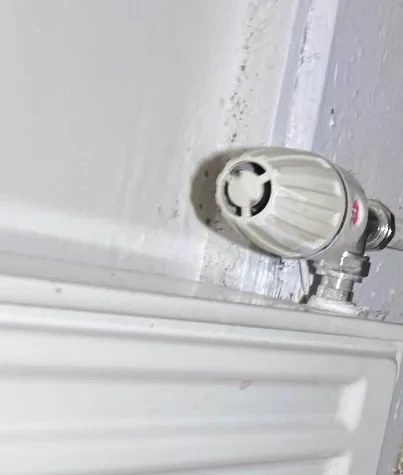
| One radiator cold | Its valves, air, a blockage |
| Upstairs or downstairs only | A zone valve, pump or air |
| Pressure falling repeatedly | A leak, relief discharge or expansion vessel |
| Banging, whistling or kettling | Air, flow, scale or deposits |
This table is a starting point for questions, not a diagnosis.
What a visit can cover
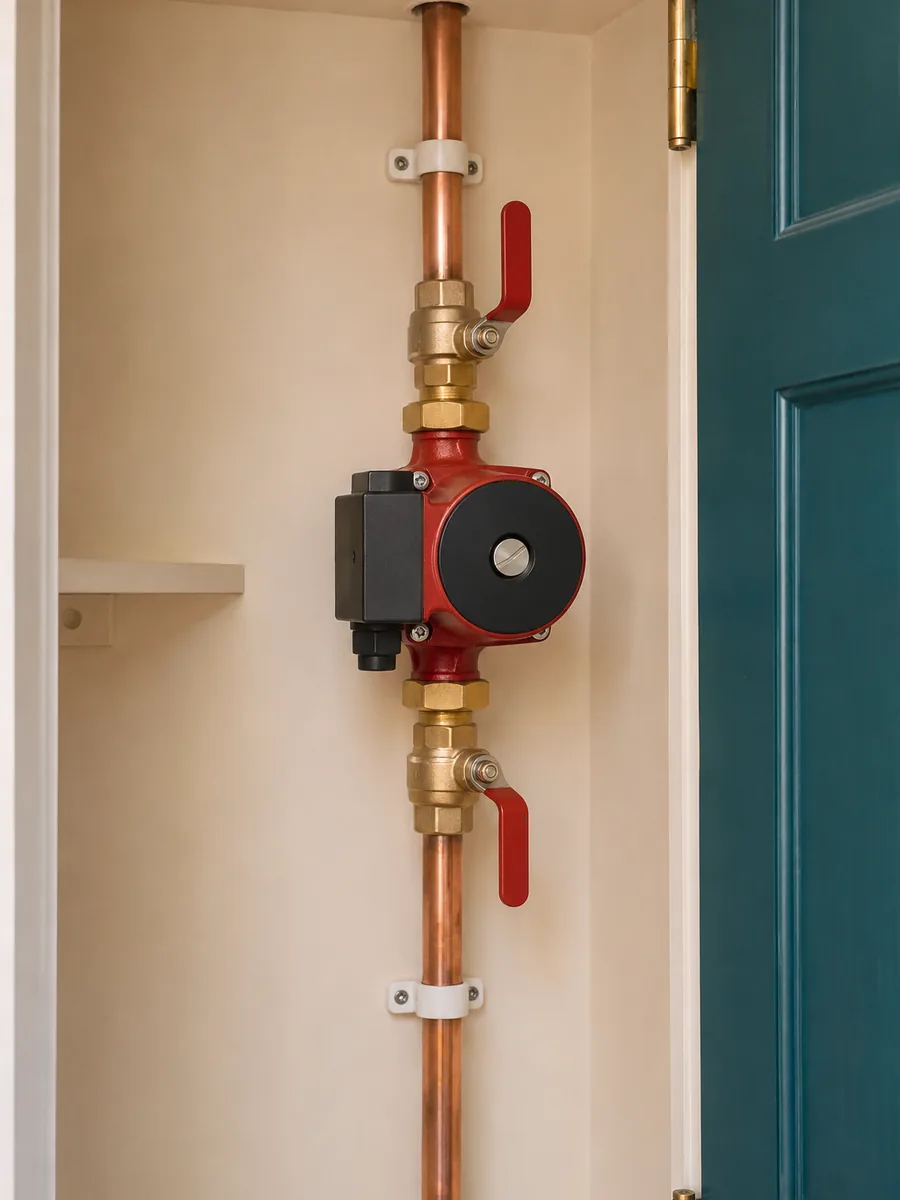
Thermostats, programmers, pumps, motorised valves, expansion vessels, pipe leaks, radiator valves and system filling. The boiler's insides, gas pipe and flue are off limits to all but Gas Safe registered engineers. If the fault leads there, see the engineer's card and find them on the Gas Safe Register. Mains wiring needs a competent electrical person.
Quote lines
- Symptom, rooms and tests planned.
- Diagnosis charge and how it relates to the repair.
- Part description and who supplies it.
- Draining, refilling, inhibitor and venting.
- Floors or boxing to be opened, and who closes them.
- What happens if the first repair does not cure it.
Leaks and pressure
Say how often the system is topped up and where any staining shows. Fresh water entering repeatedly encourages corrosion, so the cause should be found, not masked. If water is escaping fast, turn off the electrical supply to the heating only if it is dry and safe to do so, shut the inside stop tap and protect the floor. If you smell gas, leave without operating switches and phone 0800 111 999.
Sludge or something else
A flush is one answer to cold patches and not the only one. Ask what rules out a closed valve, trapped air or a weak pump before agreeing to power flushing. Radiator replacement and valve work are described on the radiators page.
Shared and communal systems
In some flats, heat comes from a plant room or a heat network. Tell the building manager first and ask which valves and parts are yours. Send the answer with your request, since draining a shared circuit usually needs permission and notice.
Which figure applies
- Weekday work away from gas: £95 an hour, one hour at least.
- Gas work: £105 an hour.
- Evenings and weekends: from £140 an hour.
Booked in advance means no call-out fee. An emergency visit can be requested at any hour of any day: a weekday daytime visit costs the hourly rate plus a £60 call-out, and an evening or weekend visit costs from £140 an hour plus £60. Parts are charged on top after you approve them, VAT is not added, and a written quote costs nothing. Last checked 28 November 2026; see what you pay.
Useful evidence
Photographs of the thermostat, programmer, cylinder, pump, valves and boiler front, plus a note of any codes. Take them without removing covers. Email them separately, because the form accepts text only.
Confirming the repair
Start from a cold system and call for heat. Walk round every radiator, check each zone and note the pressure cold and hot if there is a gauge. Look again after a few days. Keep the written findings so that a returning fault can be compared with what was actually changed. Where old runs are to be renewed, see how to compare a repiping quote.
Questions people ask
Does a cold radiator mean the system needs flushing?
Not necessarily. A closed valve, trapped air or a weak pump can also cause cold patches, so ask what has been ruled out.
What should I do if the pressure keeps dropping?
Note how often you top it up and where any staining shows, and report it. A repeated loss points to a fault that should be found.