The work
A sludge flush, with the results written down
A power flush pushes water and cleaning agent through the heating pipes and radiators with a pump, to shift sludge and debris. A good quote explains why your system is thought to need it, because cold patches and noise have more than one cause. Labour for a system of up to 10 radiators starts at £650; a larger system needs its own written figure.
Is flushing the right job?
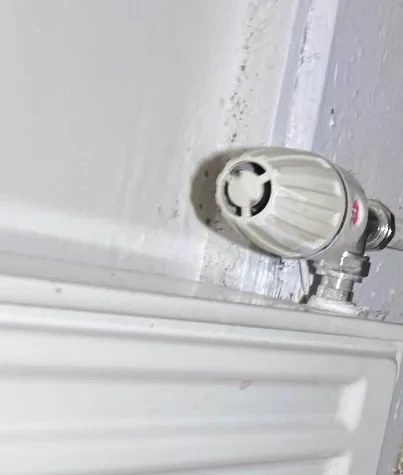
Radiators cold at the bottom but warm at the top can suggest deposits. A radiator cold at the top often holds air. One cold radiator may have a stuck or closed valve, and several may be a balancing or pump matter. Ask what was observed and what else was ruled out. If nobody has looked, the quote should say that the diagnosis is an assumption.
Older or weakened radiators and joints can begin to leak once deposits are disturbed. Ask how that risk is assessed and what happens if it occurs.
The boiler in the circuit
Check the boiler maker's instructions, since they may set out how the system should be cleaned and treated, and mention them in your request. Once a gas boiler has to be opened, adjusted or diagnosed, Gas Safe registered engineers are the only ones who may do it, and you should look their card up on the Gas Safe Register. The quote should say whether that is part of this job or a separate boiler repair. The form takes text only, so email any copies.
What the document should state
- Number of radiators, any underfloor loops, and whether each is included.
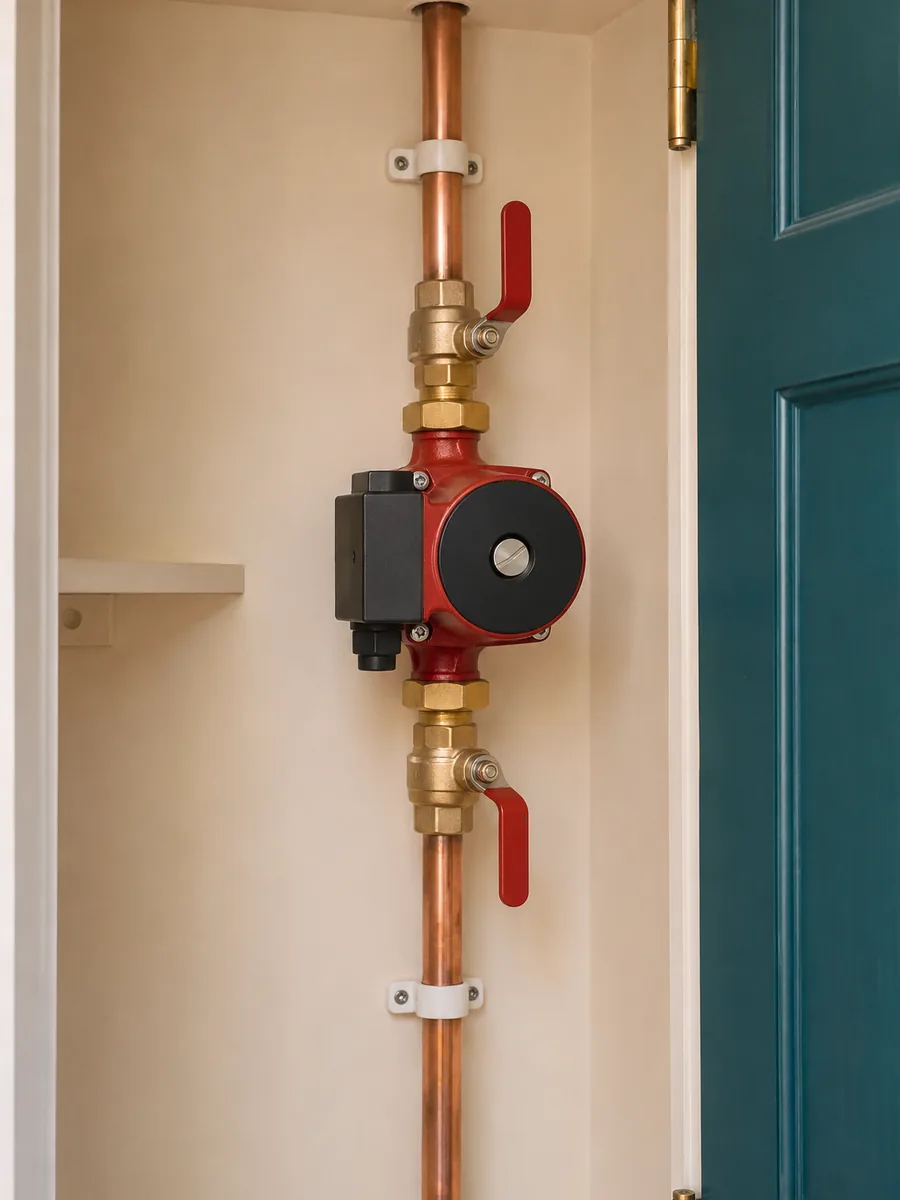
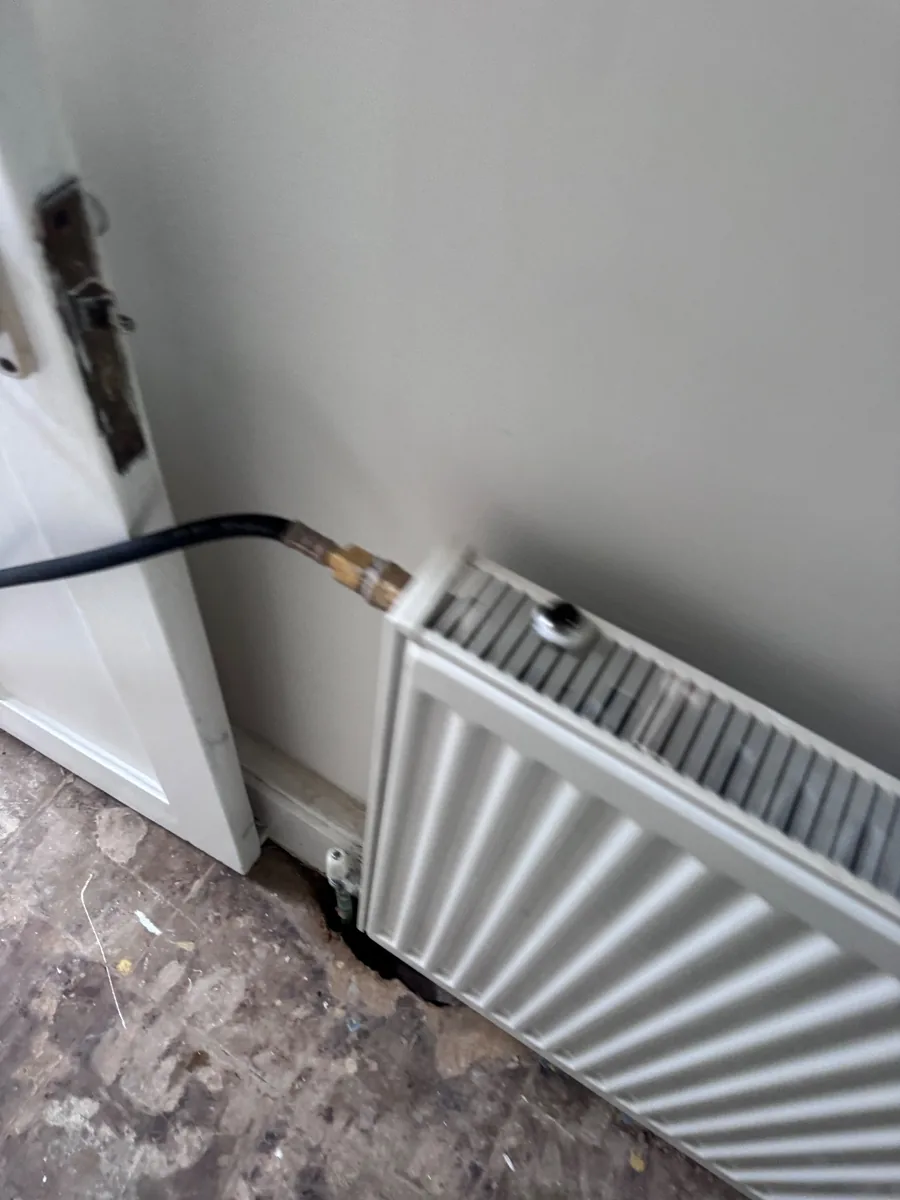
- Where the machine connects: pump position, a radiator tail or elsewhere.
- Cleaning chemical and inhibitor by product name.
- Whether radiators are flushed one at a time, and whether any are removed.
- Whether a magnetic filter is fitted, cleaned or neither.
- How dirty water is disposed of.
- What is measured before and after, such as surface temperatures, water appearance or a test sample.
- What is excluded: new valves, radiators, pump, leaks uncovered and decoration.
The flush figure to compare
- Up to 10 radiators: labour from £650.
- A larger system: ask for its own figure in writing.
Booked in advance means no call-out fee. An emergency visit can be requested at any hour of any day: a weekday daytime visit costs the £95 hourly rate plus a £60 call-out, and an evening or weekend visit costs from £140 an hour plus £60. Parts are charged on top after you approve them, VAT is not added, and a written quote costs nothing. Last checked 28 November 2026; see what you pay.
Preparing the request
List each radiator and how it behaves, the boiler make and model from its label, the system type if you know it, previous cleaning and any top-ups of pressure or water. Frequent top-ups point to a leak, which should be looked at first.
Checking the result
Run the heating from cold and feel each radiator once it is hot. Compare the readings promised on the quote with those handed to you. Ask for the inhibitor name and dose in writing and keep it with the boiler paperwork. Look under valves and along joints for damp over the following week. Bleed any radiator that gurgles, if you know how, and report one that stays cold.
If the symptom is unchanged, set that out in writing with the date. The Consumer Rights Act 2015 requires services to be performed with reasonable care and skill, and statements you relied on when agreeing can form part of the contract.
Questions people ask
Will a power flush fix a cold radiator?
Only if deposits are the cause. A radiator cold at the top often holds air, and one cold radiator may have a stuck or closed valve.
Can flushing cause leaks?
Older or weakened radiators and joints can begin to leak once deposits are disturbed, so ask how that risk is assessed.